
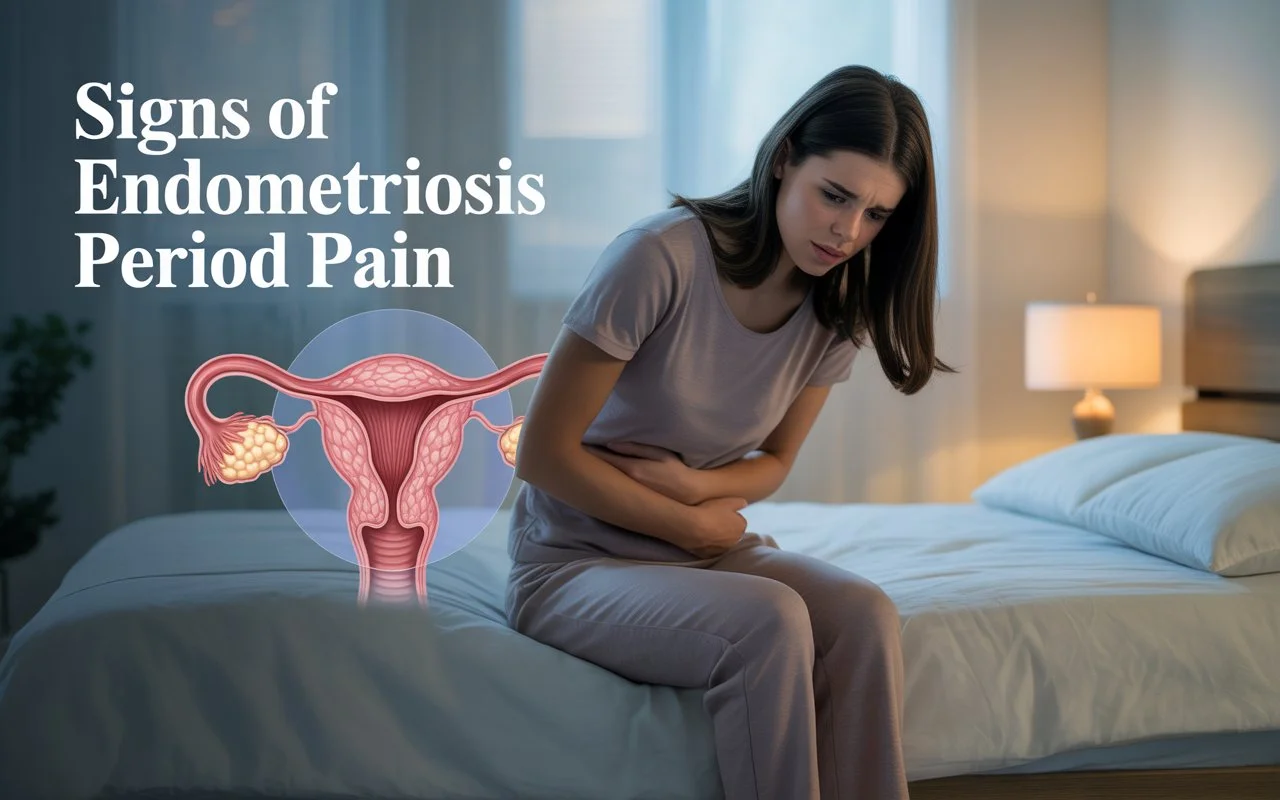
Many women experience pain during their periods, but not all menstrual pain is normal. While mild cramps are common, severe or persistent pain could indicate a deeper health issue.
One condition often linked with intense menstrual pain is endometriosis. Unfortunately, many women ignore the warning signs and assume the pain is simply part of their cycle.
Understanding the difference between normal period cramps and symptoms of endometriosis can help you seek the right treatment at the right time.
What Is Endometriosis?
Endometriosis is a medical condition in which tissue similar to the lining of the uterus grows outside the uterus. These tissues can grow on the ovaries, fallopian tubes, pelvic lining, and other nearby organs.
Just like the uterine lining, these tissues respond to hormonal changes during your menstrual cycle. However, unlike the normal lining, this tissue has no way to leave the body. As a result, it causes inflammation, swelling, and severe pain during periods.
Endometriosis affects millions of women worldwide and is one of the most common causes of severe menstrual pain and infertility.
Normal Period Pain vs Endometriosis Pain
Many women struggle to determine whether their pain is normal or something more serious. Normal menstrual cramps usually occur for a day or two and improve with rest or pain relief medication. However, pain caused by endometriosis often behaves differently.
Here are some key differences:
| Normal Period Pain | Endometriosis Pain |
|---|---|
| Mild to moderate cramps | Severe and intense pain |
| Pain lasts 1–2 days | Pain lasts several days or longer |
| Pain improves with medication | Pain often persists despite medication |
| Does not affect daily life much | Pain disrupts work, school, or daily activities |
If your pain feels unusually intense or interferes with your routine, it may be time to investigate further.
Warning Signs Your Period Pain Could Be Endometriosis
1. Severe Menstrual Cramps
One of the most common symptoms of endometriosis is extreme pelvic pain during menstruation. The pain may start before your period begins and continue even after it ends.
Many women describe this pain as sharp, stabbing, or unbearable.
2. Pain During or After Intercourse
Pain during or after sexual intercourse is another strong indicator of endometriosis. This happens because endometrial tissue around the pelvic area becomes inflamed and sensitive.
3. Heavy Menstrual Bleeding
Women with endometriosis often experience very heavy periods or bleeding between periods. If you frequently need to change pads or tampons within a short time, it could signal a problem.
4. Chronic Pelvic Pain
Endometriosis pain does not always occur only during periods. Some women experience continuous pelvic pain throughout the month.
5. Painful Bowel Movements or Urination
Pain during bowel movements or urination, especially during menstruation, may also be linked to endometriosis. This occurs when endometrial tissue grows near the bladder or intestines.
6. Difficulty Getting Pregnant
Endometriosis can affect fertility. In many cases, women discover the condition when they face challenges while trying to conceive.
When Should You See a Doctor?
You should consult a doctor if:
-
Your period pain stops you from doing daily activities
-
Pain medication does not provide relief
-
Your periods are unusually heavy
-
You experience pain during intercourse
-
You have ongoing pelvic pain
-
You are facing difficulty getting pregnant
Early diagnosis can help prevent complications and improve treatment outcomes.
How Is Endometriosis Diagnosed?
Doctors usually begin with a medical history review and pelvic examination. They may also recommend imaging tests such as:
-
Ultrasound
-
MRI scans
In some cases, doctors perform laparoscopy, a minimally invasive surgical procedure, to confirm the diagnosis. This procedure allows doctors to directly view endometrial tissue inside the pelvis.
Treatment Options for Endometriosis
Treatment depends on the severity of the condition and your health goals.
Common treatment options include:
Medication
Doctors may prescribe hormone therapy or pain management medications to control symptoms.
Lifestyle Changes
Regular exercise, a balanced diet, and stress management may help reduce inflammation and pain.
Minimally Invasive Surgery
In moderate or severe cases, doctors may recommend surgery to remove endometrial tissue and relieve pain.
Fertility Treatments
If endometriosis affects fertility, assisted reproductive treatments may help women conceive.
Why Early Detection Matters
Many women live with endometriosis symptoms for years before receiving a proper diagnosis. Ignoring severe period pain can delay treatment and worsen the condition over time.
Early detection helps:
-
Manage symptoms effectively
-
Prevent disease progression
-
Improve fertility outcomes
-
Enhance overall quality of life
If your menstrual pain feels unusual or unbearable, do not ignore it. Seeking medical advice early can make a significant difference.
Conclusion
Severe period pain should not be ignored, as it may be a sign of endometriosis or another underlying health condition. If your menstrual pain is intense, persistent, or affecting your daily life, it is important to consult an Endometriosis Specialist for proper diagnosis and treatment.
Dr. Arpit Bansal, experienced Endometriosis Specialists provide advanced care to help women manage symptoms and improve their quality of life. Schedule a consultation today and take control of your health.