
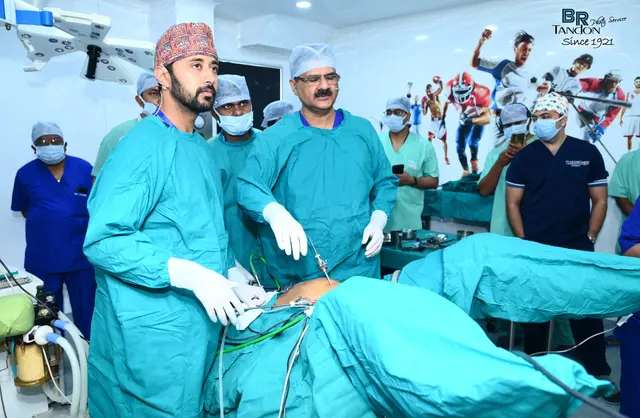
A hernia may start as a small bulge, but ignoring it can lead to serious, life-threatening health problems like incarceration or strangulation. Many people delay treatment because they don’t fully understand what a hernia is or when to consult a trusted hernia doctor in their city.
The truth is, early diagnosis and timely hernia surgery by a qualified specialist, like Dr Arpit Bansal, can prevent pain, avoid emergency complications, and ensure a smooth recovery.
This guide explains everything you need to know about hernia, in simple language, so you can take the right decision at the right time.
What Is a Hernia?
A hernia occurs when an internal organ or tissue pushes through a weak spot in the muscle or surrounding tissue. It often appears as a visible bulge, especially when you stand, cough, or lift something heavy.
Crucial Fact: Hernias do not heal on their own. Over time, they usually get worse, and delay can lead to a dangerous medical emergency requiring immediate, complex surgery.
Common Symptoms of a Hernia
You should consult a hernia doctor if you notice any of these symptoms:
- A bulge in the abdomen, groin, or upper thigh that may disappear when lying down
- Pain or discomfort while bending, coughing, or lifting
- A heavy or dragging sensation in the area
- Burning or aching feeling at the bulge site
- Swelling or pain that increases over time
Note on Hiatal Hernias: If you have a hiatal hernia (when the upper stomach pushes into the chest), your main symptoms will likely be different, including chronic heartburn, regurgitation, or chest pain.
Emergency Symptoms (Need Immediate Medical Help):
- Severe, sharp pain at the hernia site
- Nausea or vomiting
- Redness, discoloration, or tenderness over the bulge
- The bulge cannot be pushed back in (incarceration)
Causes and Risk Factors of Hernia
A hernia usually develops due to muscle weakness combined with strain. Common causes include:
- Heavy lifting without proper support
- Chronic coughing or constipation
- Obesity or sudden weight gain
- Pregnancy
- Aging and muscle weakness
- Previous abdominal surgery
A hernia specialist doctor can identify the exact cause and suggest the safest treatment tailored to your health.
Types of Hernia You Should Know
The most common types are:
- Inguinal Hernia: Occurs in the groin (most common type, especially in men).
- Umbilical Hernia: Around the belly button.
- Incisional Hernia: Develops at the site of a previous surgical incision.
- Femoral Hernia: Upper thigh/outer groin, more common in women.
- Hiatal Hernia: The upper stomach moves into the chest cavity.
When Should You See a Hernia Specialist Doctor?
You should not wait for pain to become severe. Visit a top hernia specialist like Dr Bansal if:
- The bulge is increasing in size.
- Pain or discomfort is affecting daily life, work, or sleep.
- You have difficulty standing or walking.
- You want a permanent, safe, and minimally invasive solution (laparoscopic or robotic).
Hernia Surgery: Advanced Treatment Options
Is Hernia Surgery Necessary?
Yes. Hernia surgery is the only permanent, reliable treatment for a hernia and the only way to prevent life-threatening complications.
Types of Modern Hernia Surgery
A skilled hernia specialist in Prayagraj may recommend:
| Surgery Type | Description | Key Benefit |
| Laparoscopic Surgery | Minimally invasive; small incisions with specialised tools. | Shorter hospital stay and faster recovery. |
| Robotic Surgery | The surgeon controls robotic arms for high precision. | Ideal for complex or recurrent hernias; highly precise repair. |
| Open Hernia Surgery | Traditional method with a single incision. | Used for very large or complicated cases. |
| Mesh Repair | Used with all techniques to reinforce muscle and prevent recurrence. | Lowers the risk of the hernia returning. |
How To Choose the Right Hernia Doctor in Prayagraj
Choosing the right specialist can make a big difference in your treatment outcome.
- Experience in Advanced Techniques: Does the doctor specialise in minimally invasive methods (laparoscopic/robotic)?
- Specialisation: How many hernia procedures do they perform annually?
- Patient Success: Check patient reviews and documented success rates.
- Hospital Facilities: Ensure the facilities meet the standards for advanced surgical care.
Conclusion
A hernia may look minor, but delaying treatment is risky. Consulting a qualified hernia specialist doctor in Prayagraj, like Dr Arpit Bansal, at the right time ensures accurate diagnosis, effective surgery, and a safe, quick recovery.
If you notice any symptoms, don’t wait. Contact Dr Arpit Bansal's clinic today and take the first step toward a pain-free, active life.